
An expensive easy copyright oversight
Cautionary Tale: How an author's copyright oversight led to a costly KDP crisis.
For many self-publishing authors, Amazon offers an excellent route to publish their stories and build a passive income stream. However, not understanding and falling foul of the rules regarding copyright can switch off an otherwise rewarding income stream. It is vital that we all understand the importance of copyright ownership when it comes to publishing, online or otherwise.
We recently learned of an independent author who self-published a best-selling book, that had generated several tens of thousands of US Dollars in income, before suddenly, out of the blue, the book was taken off sale. Not only was her book taken off sale, Amazon also suspended and subsequently terminated her account! Why? - because when she was asked, she couldn't supply proof of copyright - she couldn't provide ownership of the image!
The author had used her pro-subscription of Canva, mistakenly believing that she owned the copyright of the image she generated. When challenged, Canva confirmed that she was only entitled to the commercial release and use of that image, and as such, it was not true ownership of the image.
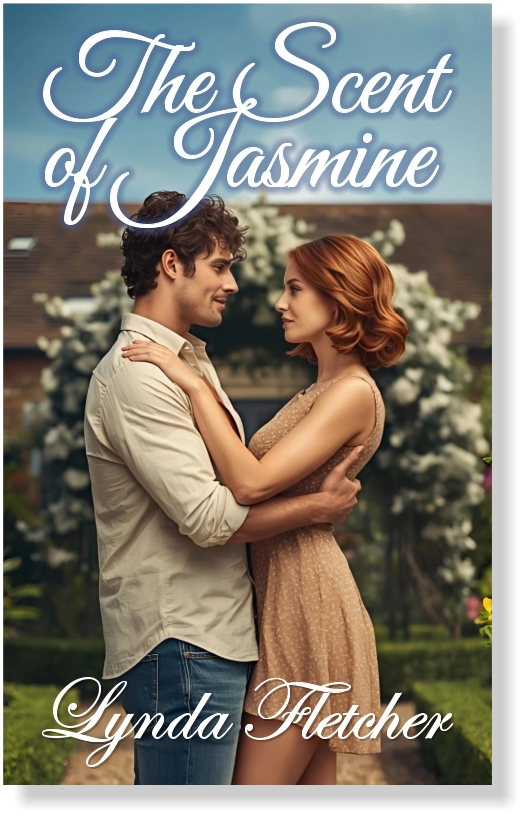
Amazon KDP's terms and conditions clearly state that by uploading their book, they are affirming that they own the copyright of the book and its content, both the text and the images used. In this case, she couldn't prove ownership of a specific element on her book cover. To make matters worse, Amazon didn't specify which element was the culprit, forcing the author to painstakingly investigate, backtracking over files, downloads, terms and conditions. She eventually pinpointed the problem, an artist's element on her cover that required a separate commercial licence she didn't possess.
To rectify the situation and get her successful book back on sale, the author had no choice but to take matters into her own hands. She creatively recreated the problematic background element herself using photography, and placed her image on top of a new AI generated background. Embracing new technologies, she even leveraged AI to prompt a new background, ensuring she held the copyright for the recreated version of her book, which is now successfully back on sale again, and her income resumed.
This experience underscores a vital lesson for anyone publishing via Amazon KDP, and that is originality is key. Authors should consider hiring an artist or using AI image generation generate original designs if books contain any elements without clear copyright ownership. While the various laws regarding AI generated content are still evolving, particularly regarding copyrighting AI work, the core principles remain...
- to protect your own intellectual property
- not use the intellectual property of a third party without permission.

Ultimately, understanding and actively taking ownership of your copyright is not just about avoiding penalties; it's about safeguarding your income streams and building a sustainable, profitable brand on platforms such as Amazon.
How we help independent and/or self-publishing authors
One can join us for free to access our knowledge base and self-help resources. Additionally, we offer optional, price-friendly professional services to assist you at various stages of your writing and publishing journey.
What we can help you with | Join us for free | Monthly Newsletter


 Yevgeny Zamyatin is said to have drawn from his experiences living through the Russian Revolution and the early Soviet regime. The novel was completed in 1920 and was initially banned in the Soviet Union due to its critical stance on totalitarianism and collectivist ideologies. It was first published in English in 1924, making it one of the earliest known dystopian novels.
 Explore the story of two men with different ideals and purposes but both strong and courageous trying to survive and prosper in prohibition era American state of Illinois.